
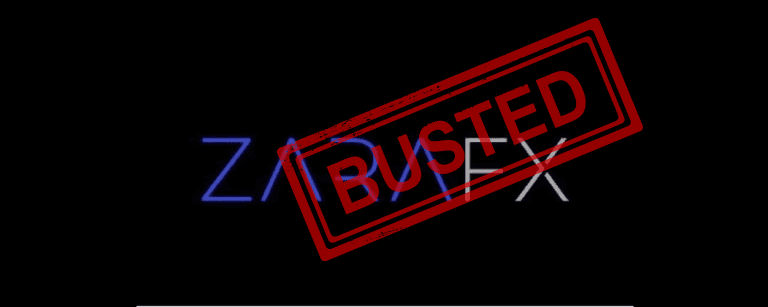
In early August 2025, the Enforcement Directorate (ED) in India raided four locations linked to the forex platform Zara FX, also known as ZarVista. The raids were carried out under the Prevention of Money Laundering Act (2002) after police reports accused the company of collecting deposits illegally from Indian residents.
According to the ED’s statement, investigators seized ₹3.9 crore (≈ $445 000) in bank accounts and confiscated mobile devices and hard drives. Officials allege Zara FX used mule accounts personal bank accounts controlled by intermediaries—to receive investor deposits, then transferred the funds abroad to conceal their origin.
Zara FX, which markets itself online as a multi-asset trading broker, claims it merely provides administrative services through a Cyprus office and has no operational presence in India. However, it also operates under offshore registrations in Mauritius and Comoros, not under recognised regulators such as the FCA, ASIC or CySEC.
At the time of writing, the investigation remains active and assets are frozen.
The Bigger Problem — Unregulated Brokers
While the Zara FX case is centred in India, it highlights a global issue: brokers operating outside proper regulation.
| Common Red Flag | Why It Matters |
|---|---|
| Deposits handled through personal or crypto wallets | Makes tracing and refunding money nearly impossible |
| Promises of unusually high returns | Classic hallmark of investment fraud |
| Offshore “licences” from tiny island jurisdictions | Provide little to no legal protection for clients |
| Sudden rebranding or domain change | Often used to dodge enforcement or reputational damage |
| No independent audits or payout transparency | You’re taking the broker’s word for everything |
Once regulators get involved, accounts are frozen, withdrawals suspended, and clients often become unsecured creditors in foreign jurisdictions—meaning recovery is slow or impossible.
Lessons for Traders
- Verify regulation, not just registration. A company claiming “licensed in Cyprus” may simply be incorporated there; check the regulator’s database (FCA, ASIC, CySEC, CFTC etc.).
- Follow the money. Legitimate brokers use segregated corporate accounts with tier-one banks—not random wallets or individuals.
- Start small and test withdrawals. A successful withdrawal tells you more than any glossy website.
- Stay alert to news and enforcement actions. Agencies such as the ED (India), FCA (UK), and FINRA (US) publish warnings and raids online.
What This Means for the Industry
The Zara FX raids show that regulators in emerging markets are no longer ignoring offshore forex schemes. As enforcement becomes more aggressive, other unregulated brokers that quietly accept local clients may face similar crackdowns.
For traders, the message is clear: transparency and regulation are worth more than leverage and bonuses. The allure of easy profits can vanish overnight when a broker’s accounts are frozen.
A Final Word
At EntryLab, we follow cases like Zara FX closely and include only brokers that demonstrate verifiable licensing, clean withdrawal history, and transparent ownership. Whether you use our lists or do your own due diligence, always research before depositing. In forex trading, protecting your capital starts long before you open your first position.